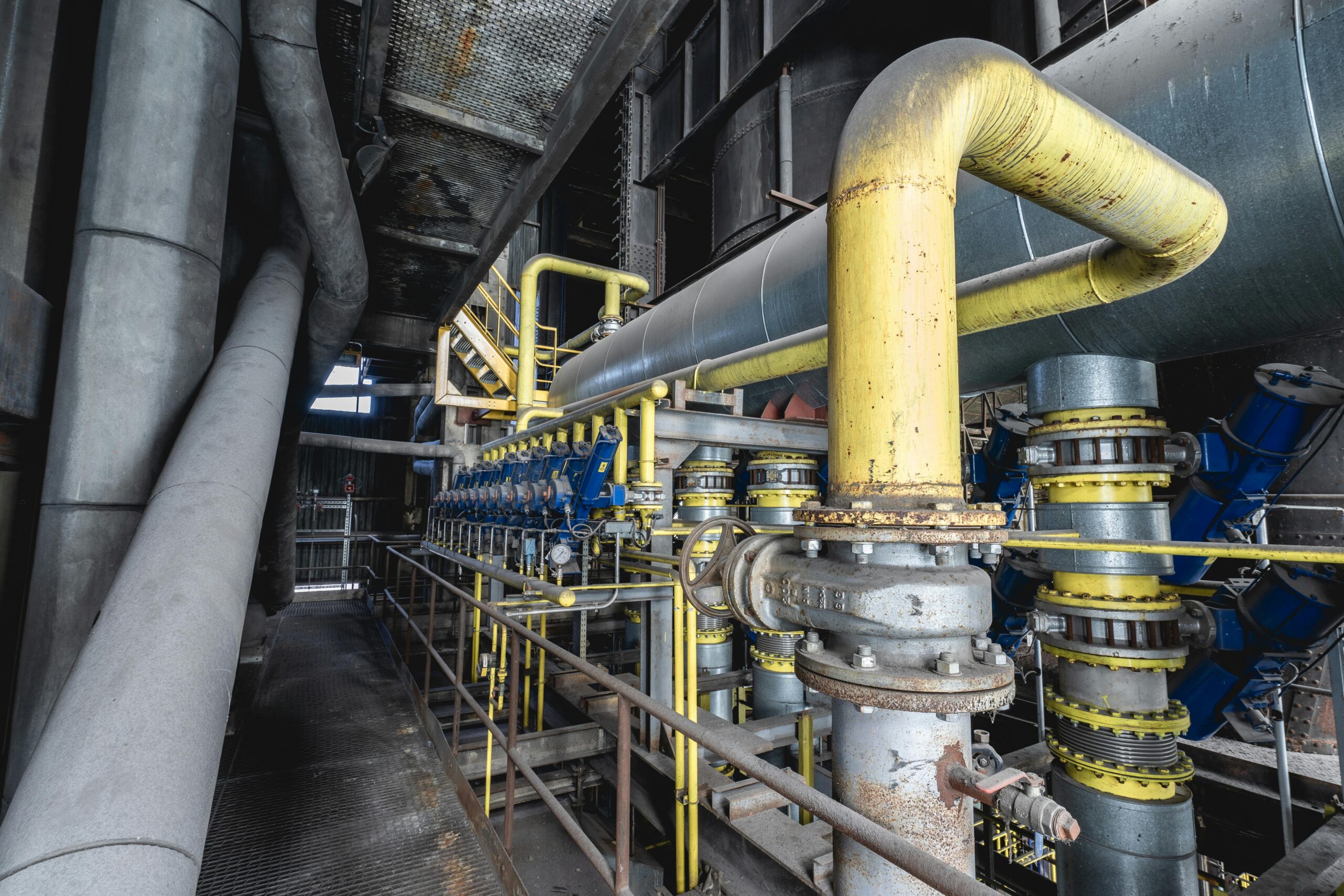
Buildman plumbing offers residential, commercial, and industrial clients high-quality plumbing services. We manage all projects from new construction and industrial repair to emergency plumbing and drain cleaning
Heating: HVAC systems provide heating during colder months using various methods such as furnaces, boilers, heat pumps, or electric resistance heaters. The goal is to maintain a comfortable indoor temperature. Ventilation: Ventilation involves the exchange of indoor and outdoor air to improve indoor air quality. It includes both natural ventilation (via windows and vents) and mechanical ventilation systems (using fans and ducts). Air Conditioning: HVAC systems also include air conditioning, which is the cooling and dehumidification of indoor air during warmer months. This is typically achieved using central air conditioning units, heat pumps, or ductless mini-split systems.
Commercial and Industrial Setup
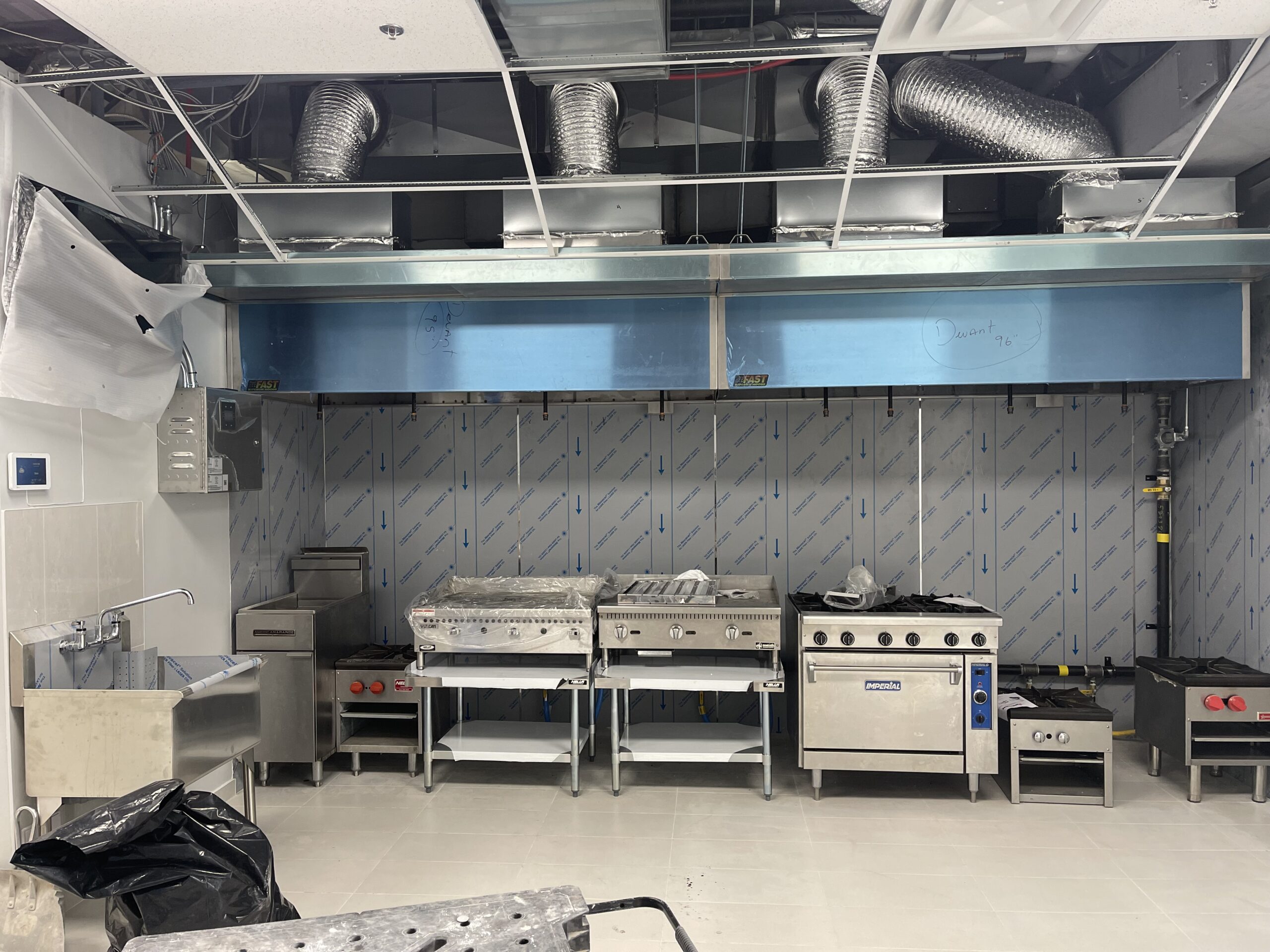
Layout and Design: Plan the kitchen layout to optimize workflow, minimizing cross-traffic and ensuring smooth movement from food preparation to cooking and serving areas Equipment Selection: Choose commercial-grade equipment such as ranges, ovens, grills, fryers, and steamers suitable for the volume and type of food production. Ventilation and Exhaust: Install a robust ventilation system with hoods and exhaust fans to remove heat, smoke, grease, and odors generated during cooking.
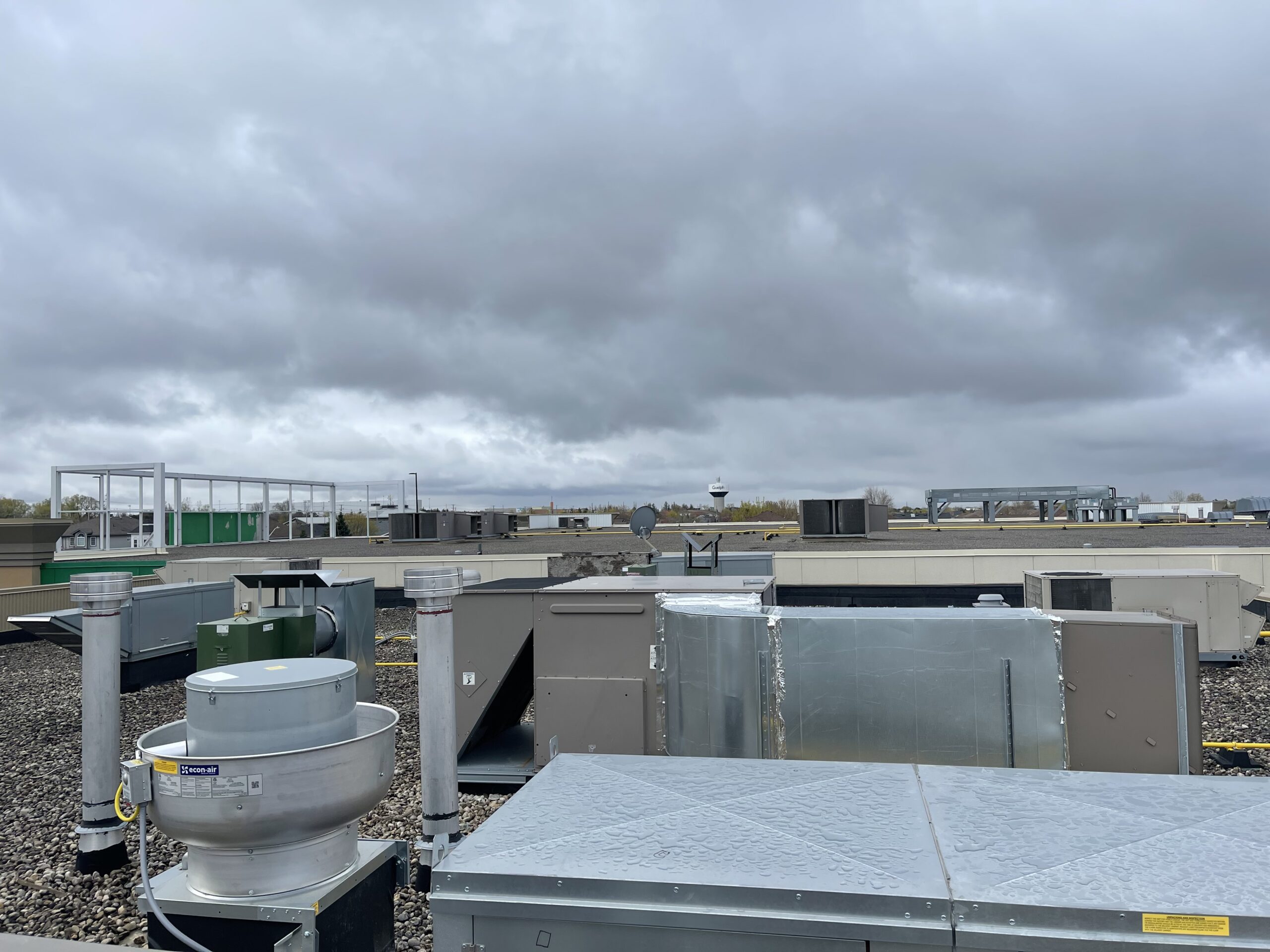
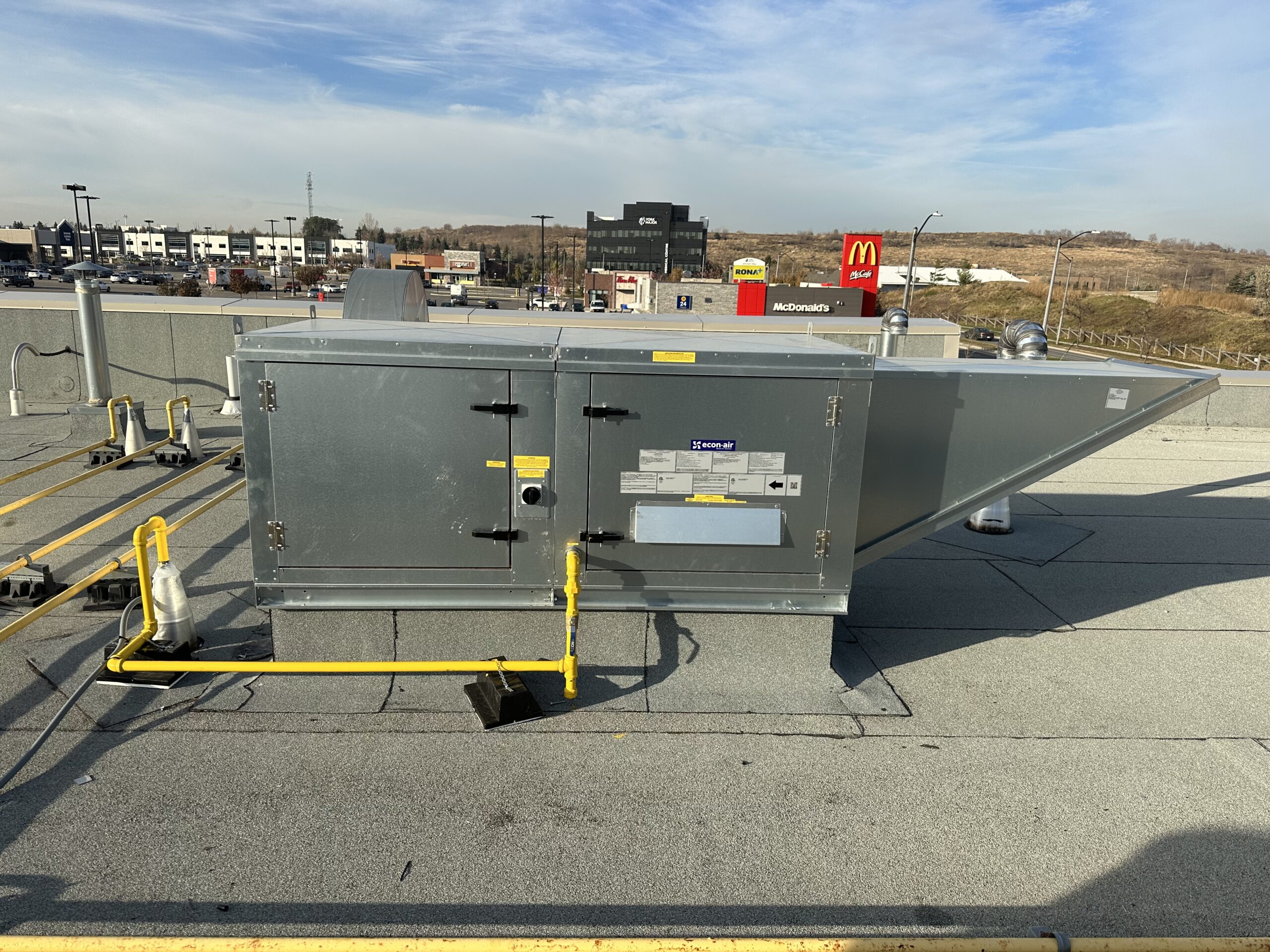
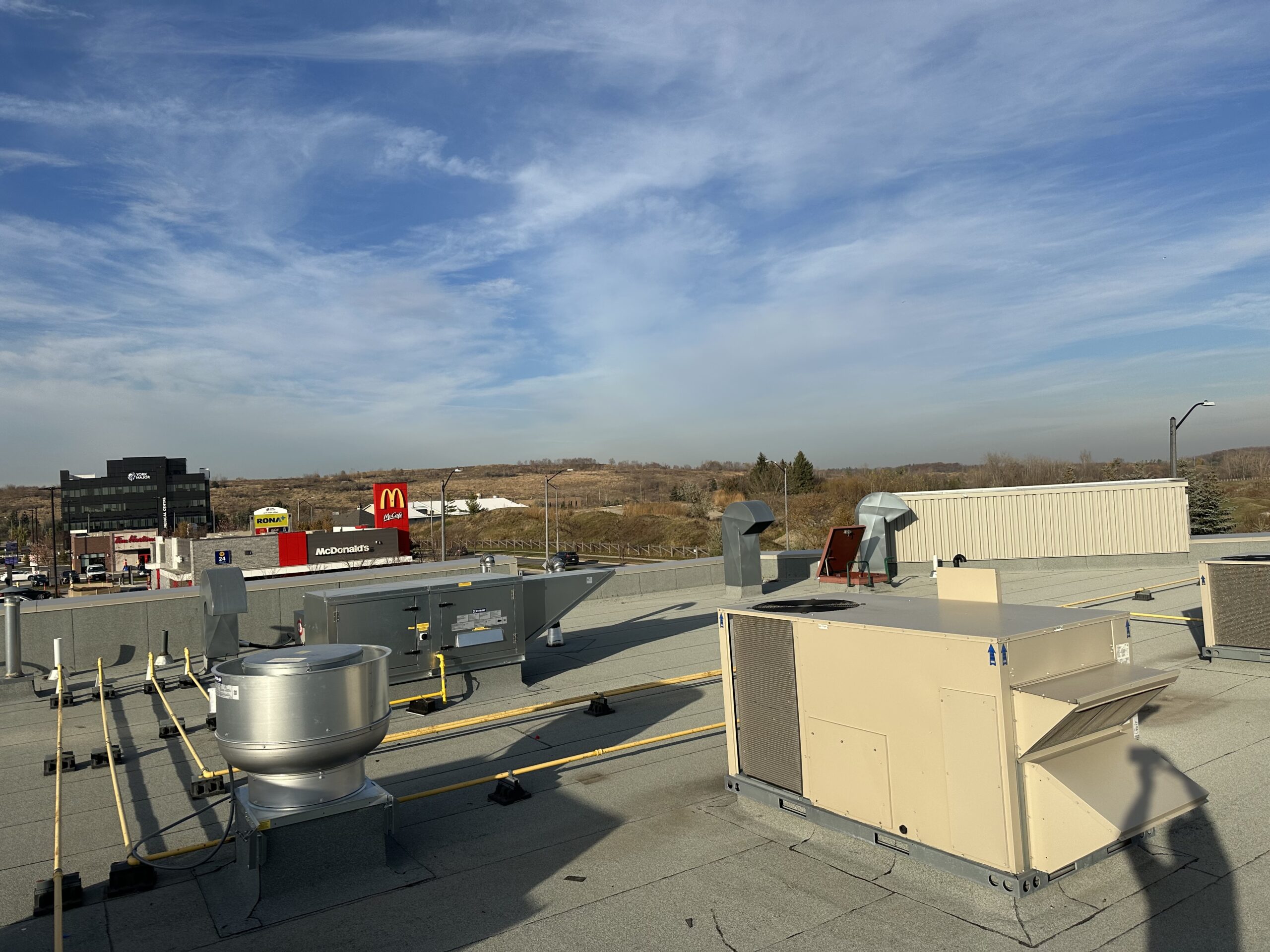
Roof top units
Air Handling: RTUs include components for air intake, filtration, conditioning (heating or cooling), and distribution.
Heat Exchanger: Essential for transferring heat between indoor and outdoor air or between different zones within the building.
Compressor: RTUs use compressors to pressurize refrigerant gas, enabling efficient heat exchange.
Condenser Coil: Located outdoors, it dissipates heat absorbed by the refrigerant from indoor air.
Fan: Blows air over the evaporator coil or through ductwork to distribute conditioned air throughout the building.
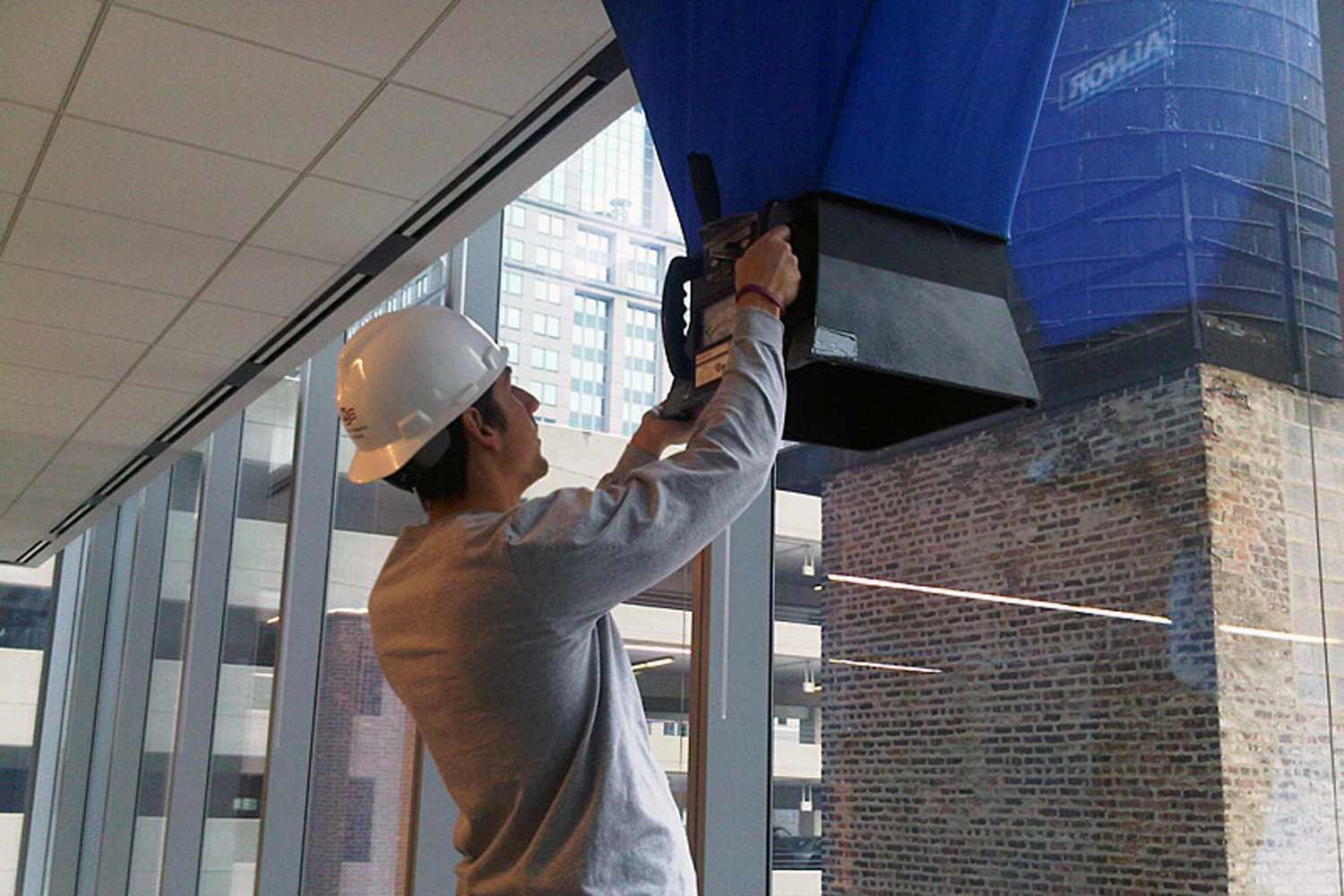
Air Balancing
Even Distribution: Ensure that conditioned air (heated or cooled) is evenly distributed to all areas of the building, minimizing hot or cold spots Comfort: Maintain consistent temperatures and airflow velocities throughout the occupied spaces, enhancing occupant comfort. Energy Efficiency: Optimize HVAC system performance to reduce energy consumption by ensuring that conditioned air reaches its intended destination efficiently.
Commercial and
Industrial hood exhaust
We provide specialized construction services for medical, pharmacy, and dental clinics. Understanding the critical importance of a clean, efficient, and welcoming environment, we create facilities that support healthcare professionals and enhance patient care. Our projects meet stringent health and safety standards, ensuring peace of mind.
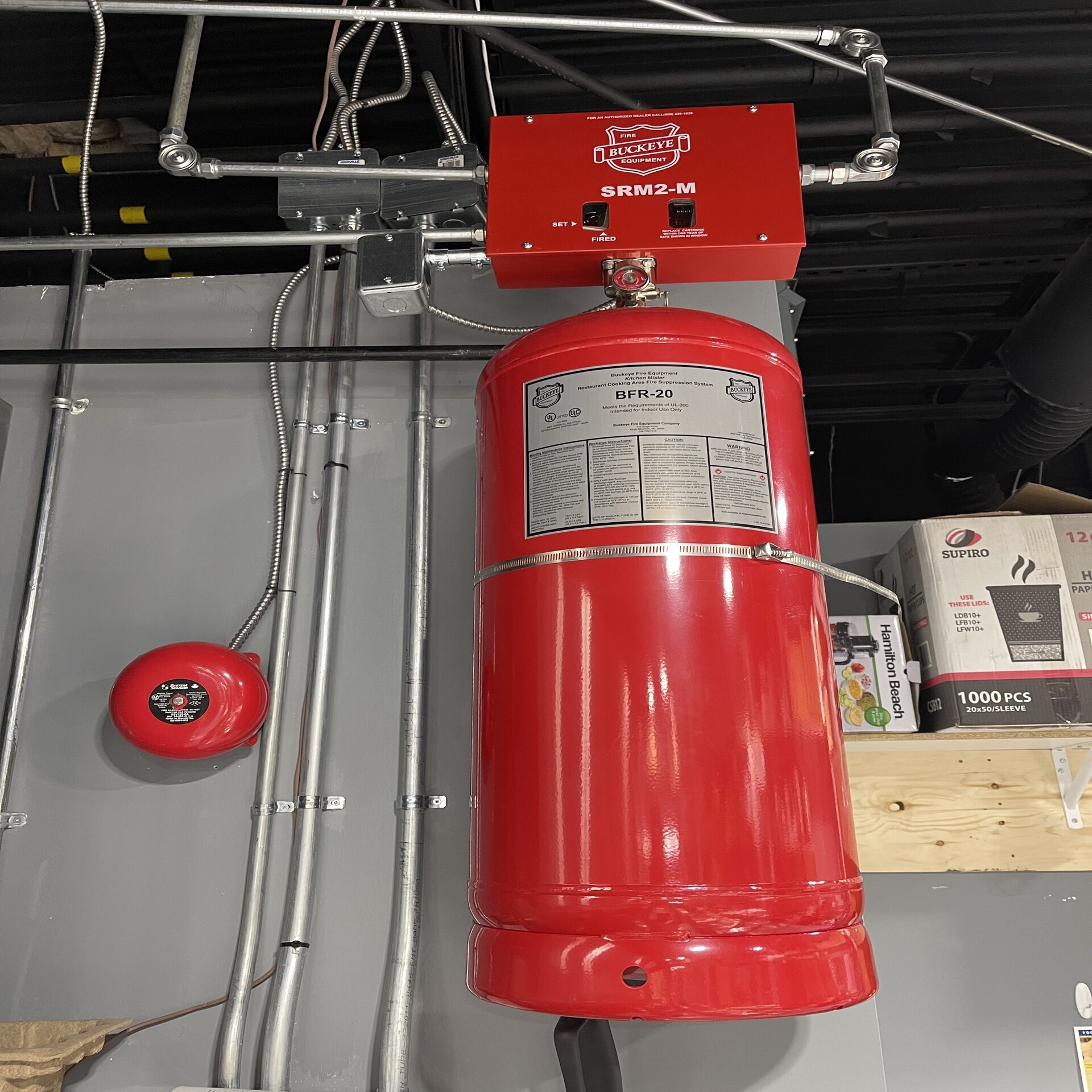
Fire supression
Fire suppression plays a crucial role in fire safety, combining proactive prevention with reactive measures to mitigate the impact of fires on people, property, and the environment.
Various methods used for fire suppression
Water: The most common method, using water to cool the fire and extinguish flames.
Chemical Agents: Such as dry chemicals (like powder) or foam, which smother the fire by cutting off the oxygen supply.
Gas: Gaseous suppression systems use agents like carbon dioxide or halocarbons to displace oxygen and suppress the fire.
Make up air units
We Install Make-up air units, (MAUs) are crucial components of heating, ventilation, and air conditioning (HVAC) systems in buildings. They are designed to supply fresh air into a building to replace air that has been exhausted due to ventilation processes, equipment operation, or other factors. After installation it Ensures occupants have a fresh and healthy indoor environment and Modern units are designed to be energy-efficient, utilizing heat recovery systems or advanced control strategies to minimize energy consumption.
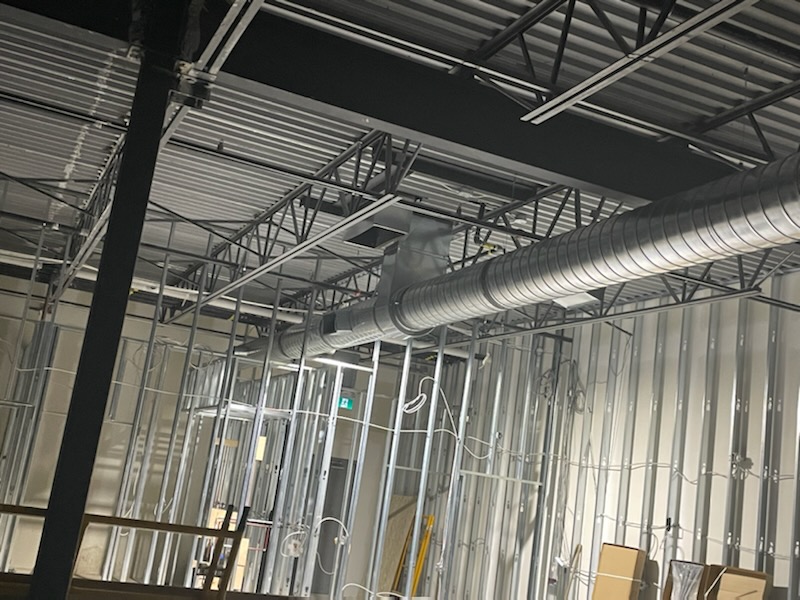
Duct work
maintain your indoor air quality, controlling temperature, and ensuring efficient operation of HVAC systems through duct work. Proper design and installation of ductwork is done to achieve optimal airflow, energy efficiency, and comfort in residential, commercial, and industrial buildings. We use good quality of pipes or channels typically made of sheet metal, fiberglass board, or other materials that convey air from an HVAC unit to different rooms and back to the HVAC unit for recirculation or ventilation.
Air condition and furnace heating
Make your indoor spaces cool during hot weather through our best Air conditioning system. Components we use for Air conditioning are Compressor, Condesor, Expansion Valve, Evaporator coil, Blower to remove heat from from indoor air, provide cool and comfortable temperature. Install Furnance heating system to heat indoor spaces in cold weather Components we use for frunance heating are Burners, Heat exchanger, Blower, Flue or vent pipes. Furnaces can operate as part of a central HVAC system, using the same ductwork and thermostat to regulate temperature throughout the building.